Project Dreamscape
Game Overview:
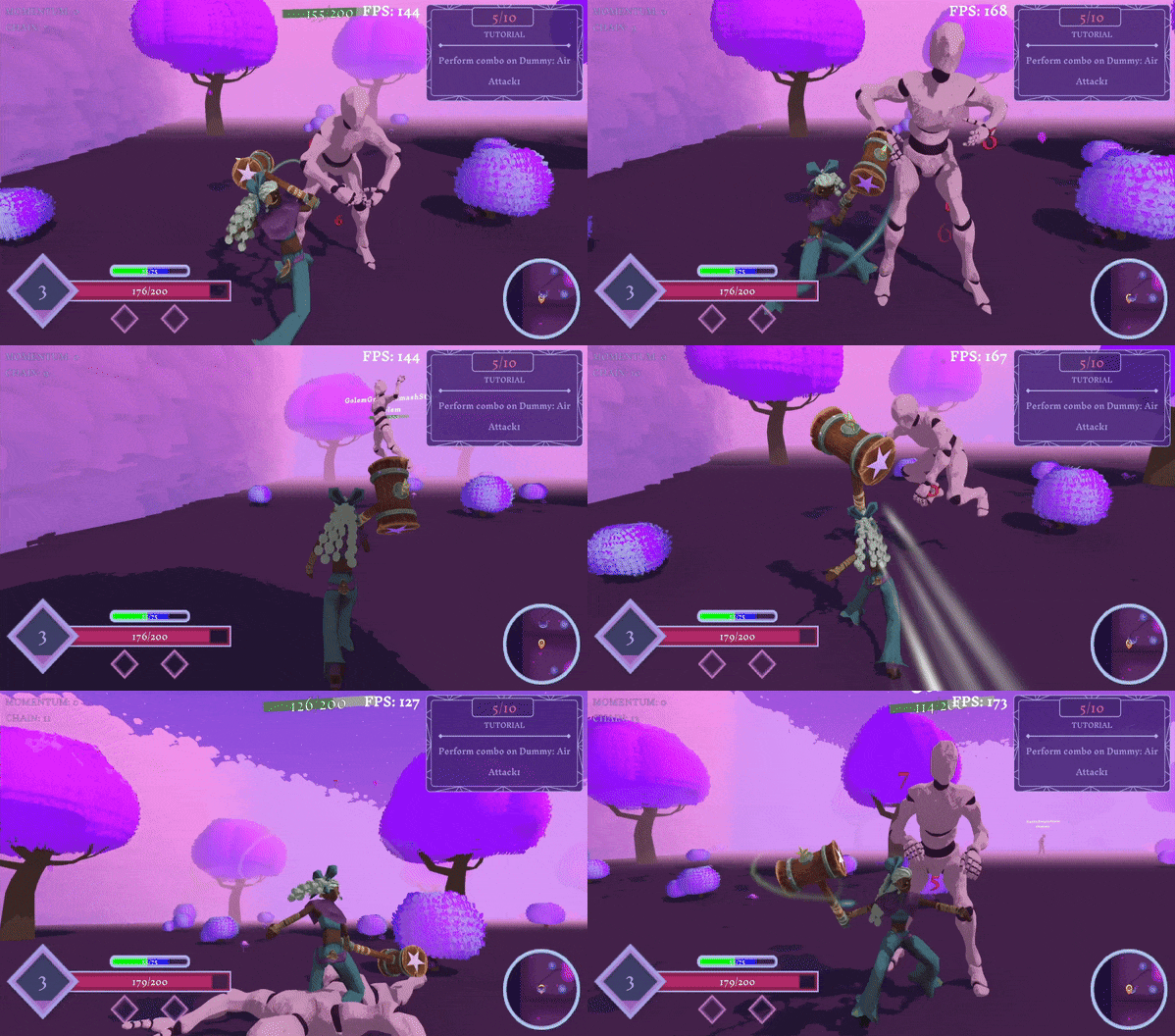
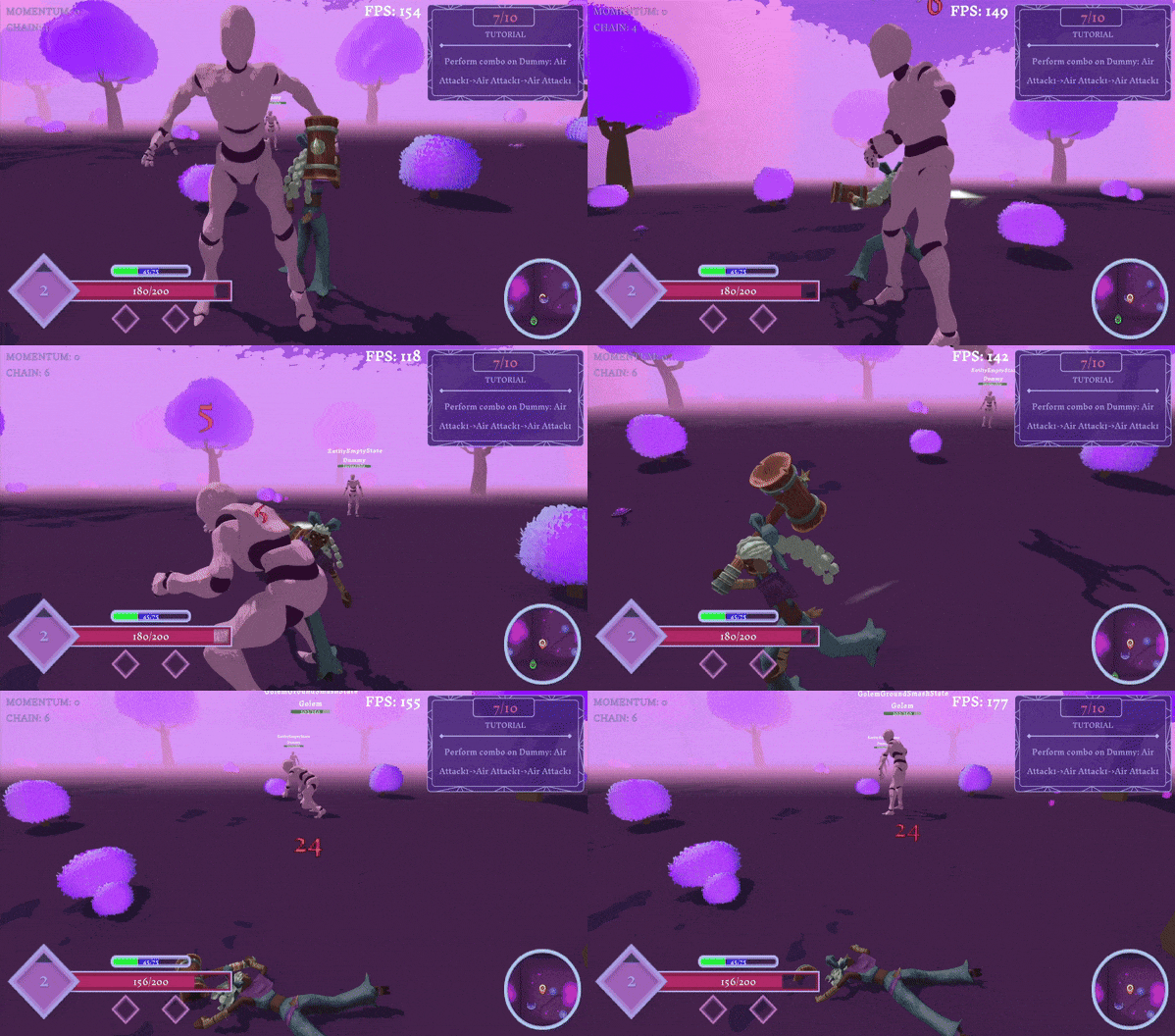
Project Dreamscape is a surreal 3D hack-and-slash roguelite where you shape your dreamworld and powers while battling inner demons. Expand your dream one land at a time and unleash combos with a shape-shifting hammer to survive the night. This game was developed by the Studio Aspen team of 2024-2025, a student-led AAA simulation studio from EGD Collective.
Engine: Unity
Platform: PC
Type: AAA Simulation
Team size: 100+
Duration: 9 Months
Tools: Unity, Discord, GitHub
Role: Enemy Designer, Programmer
Build: Steam

My contributions to the team:
-
Balanced and tuned enemy archetypes to define clear combat roles and maintain consistent Gameplay Pacing.
-
Adjusted Health, Damage, and Stagger thresholds to create fair but challenging encounters.
-
Collaborated with Design and QA to evaluate combat readability and refine player response windows.
-
Authored documentation outlining Tuning Rationale, data changes, and iteration goals for future balancing passes.
Snapshots


Gameplay & Features:
-
Execute light, heavy, and charged melee combos with a shape-shifting hammer, tuned for responsive timing and crowd control.
-
Unlock and equip Aspects that modify combat stats, abilities, and behavior, enabling build diversity across roguelite runs.
-
Navigate procedurally generated dreamworlds with branching paths, dynamic enemy compositions, and environmental hazards.
-
Face distinct enemy archetypes—swarmers, disruptors, and AOE controllers—designed to challenge positioning, pacing, and tactical adaptation.
Process
Goal: Enemy Combat Balance
I wanted to refine enemy behaviors to match the enemy's role and purpose better. I focused on establishing distinct combat roles across enemy archetypes to improve encounter readability.
-
Define enemy types by behavior and combat purpose—Followers for pressure, Chargers for burst disruption, and Golems for area control.
-
Balance time-to-kill, stagger recovery, and detection ranges to create a smooth rhythm between high-intensity and recovery moments.
-
Adjust visual and behavioral telegraphs to make enemy intent clear and reaction windows fair.
-
Tune stats to support group composition diversity, ensuring that mixed enemy setups feel emergent and tactical.
-
Documented data-driven parameters and balancing logic to streamline future difficulty tuning and design iteration
Balancing & Testing
Goal: Enemy Role Differentiation
My goal was to define and reinforce each enemy’s identity so that every archetype served a distinct purpose within the combat loop. I focused on how behaviors, movement patterns, and stat tuning could communicate intent and create natural synergy between enemy types, encouraging players to adapt their strategy mid-fight.
Follower
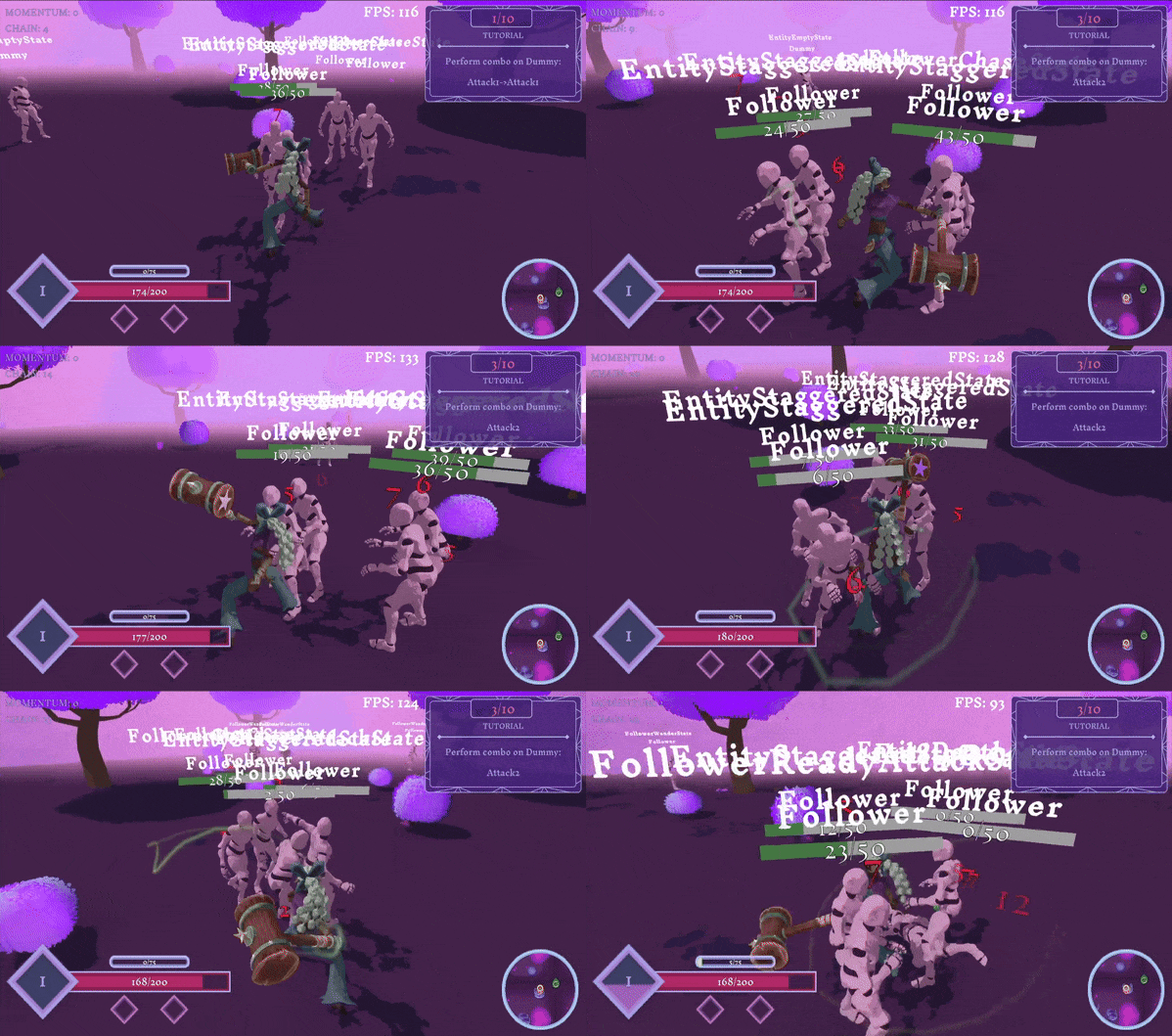
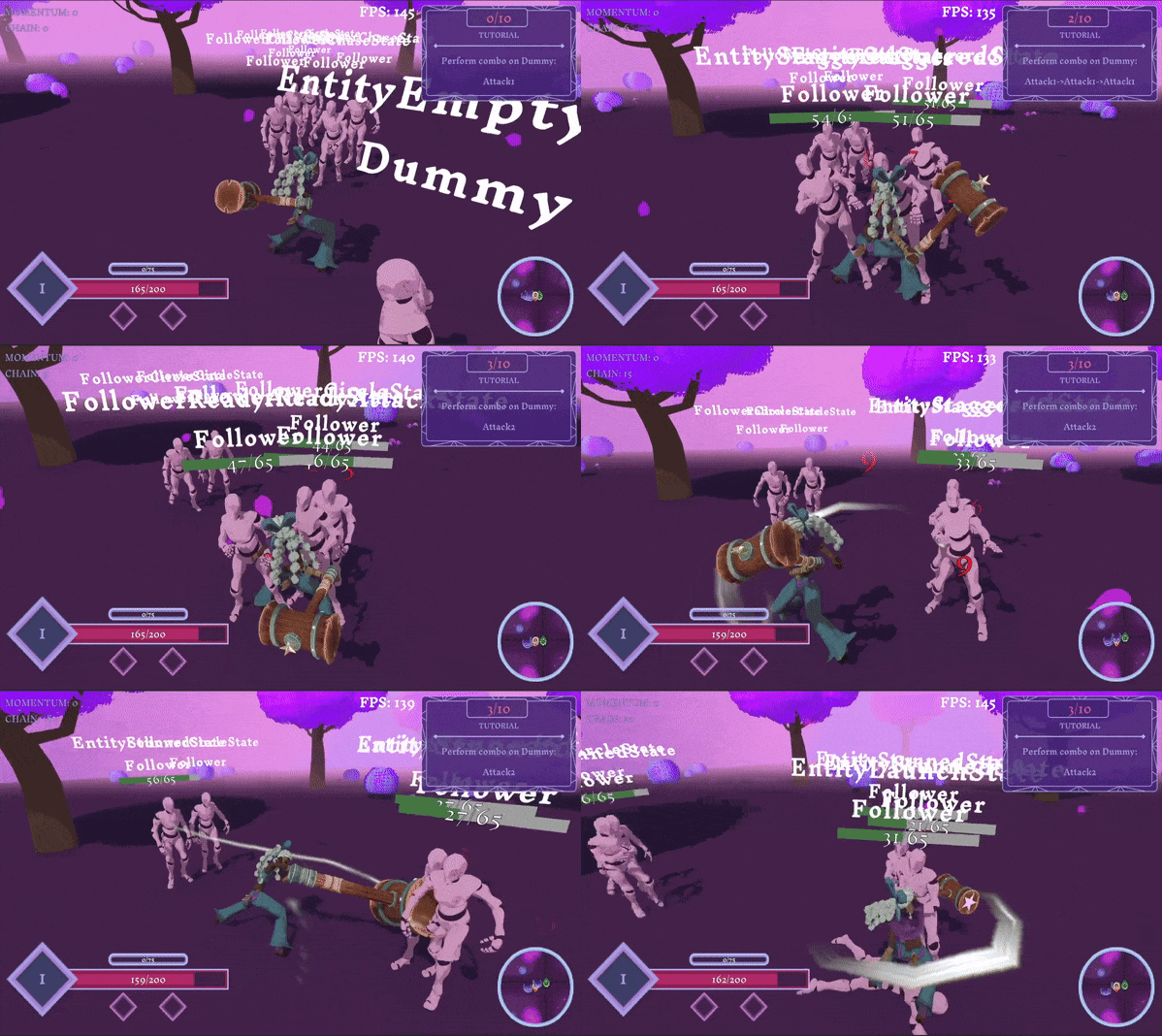
Problem: Followers lacked pressure and presence in group encounters. Low health and inconsistent damage made them trivial, reducing tension and pacing.
Solution: Increased health and speed to improve durability and engagement frequency. Tightened damage range to stabilize threat level and reinforce their role as persistent crowd units.
Before
After
Charger
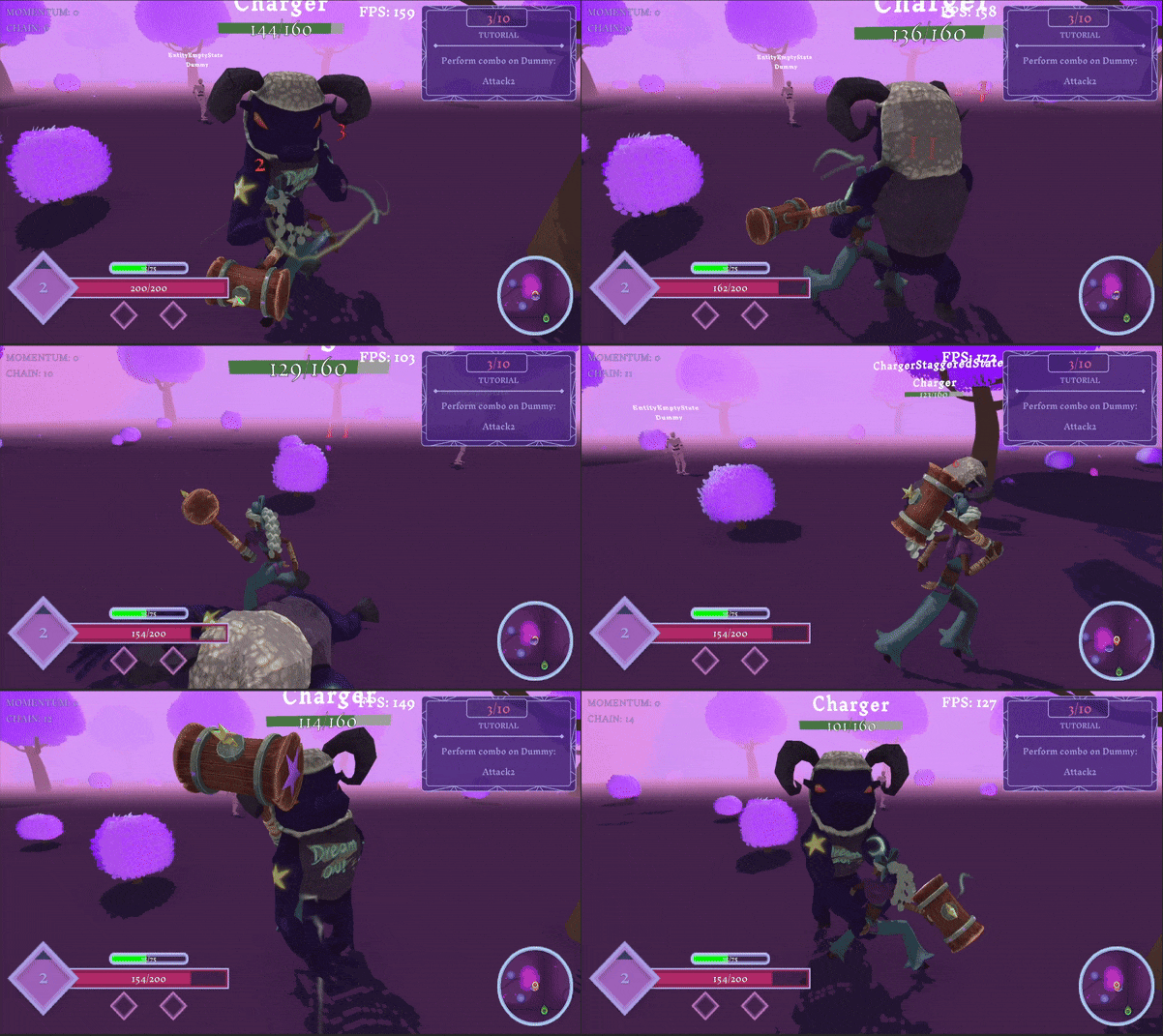
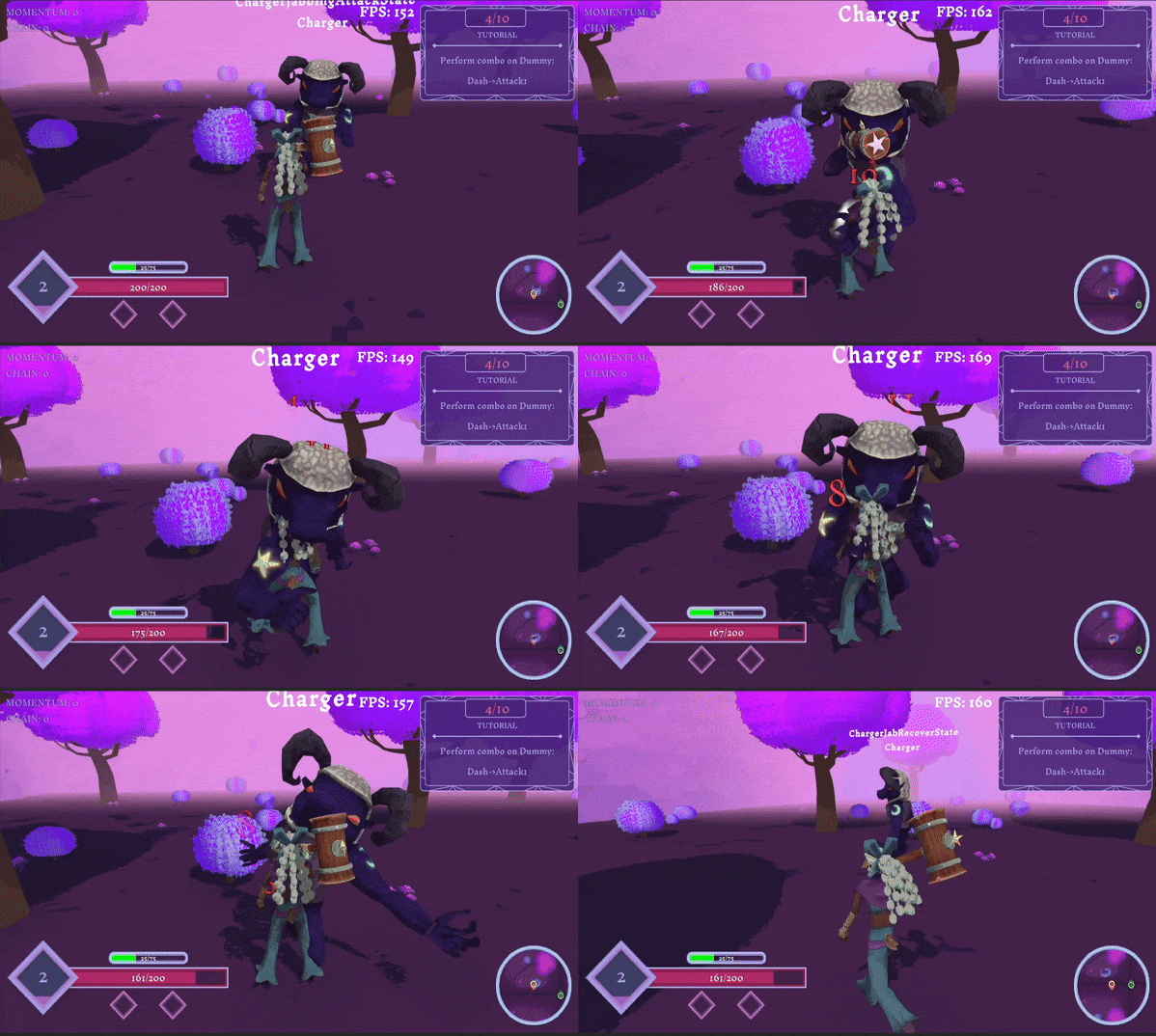
Problem: Chargers dealt unpredictable burst damage and had poor telegraphing, leading to unfair hits and limited counterplay. Their long charge duration also caused pacing issues.
Solution: Reduced damage variance and shortened charge duration to improve readability. Increased contact damage and detection range to reinforce their role as reactive disruptors.
Before
After
Golem
Problem: Golems were too easy to interrupt, undermining their role as spatial threats. Their AOE attacks lacked impact, and they didn’t force meaningful repositioning.
Solution: Boosted health, smash force, and dazed threshold to enhance their durability and disruptive potential. Now they anchor combat zones and demand strategic movement.
Before
After